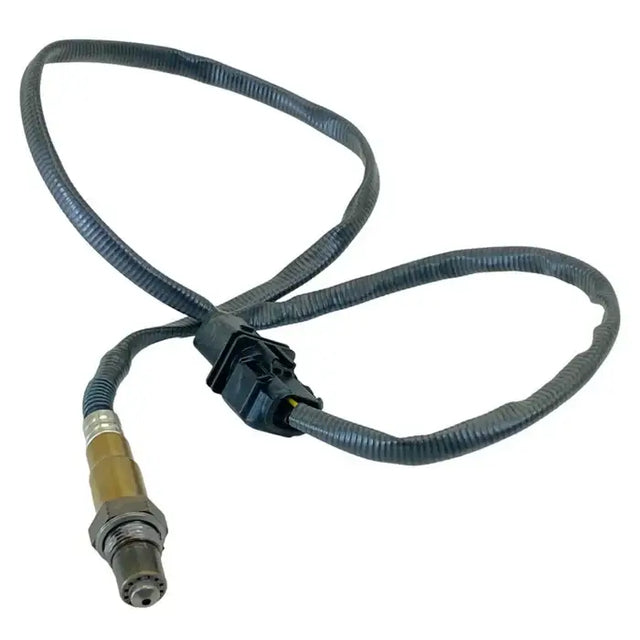
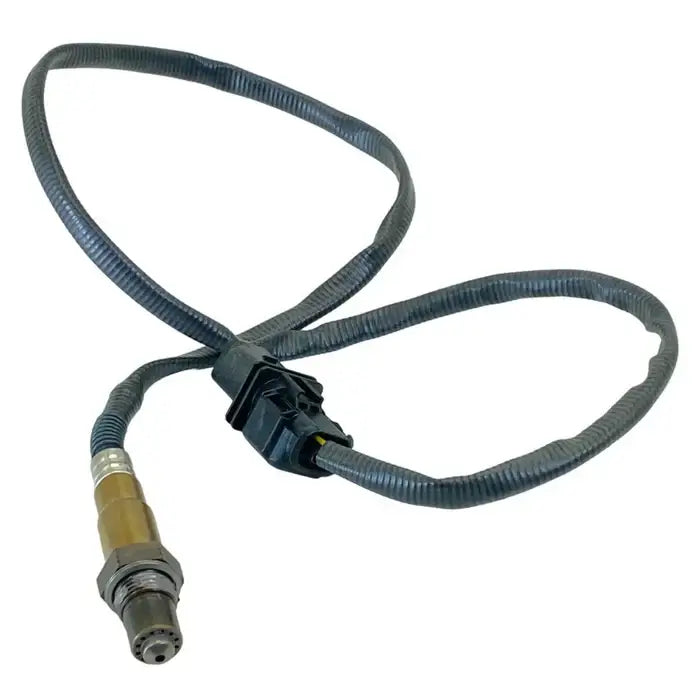
0 281 004 184 Genuine Bosch Oxygen Sensor Lamba
0 281 004 184 Genuine Bosch Oxygen Sensor Lamba is backordered and will ship as soon as it is back in stock.
Couldn't load pickup availability
Need a quote?
Need a quote?
Contact us — we’ll send you a quick and accurate offer!
- help@forcetruckparts.com
- +1 (828) 233-5509
Return Within 30 Days
Return Within 30 Days
- The item can be returned within 30 days from the date of receipt.
- Not satisfied? Contact us by email or phone for return instructions or exchange
Shipping Terms
Shipping Terms
- Enjoy free shipping on orders over $100.
- Orders placed before 6:30 PM (EST) are shipped the same day.
0 281 004 184 Genuine Bosch Oxygen Sensor Lamba
Description:
An Oxygen Sensor (Lambda Sensor) 0 281 004 184 is an electronic device in a vehicle’s exhaust system that measures the amount of oxygen in the exhaust gases. Its main job is to help the engine run efficiently and reduce harmful emissions.
Condition: New
Brand: Bosch
Part Number: 0 281 004 184
Related Part Numbers: 1791013pe, 1791013
Purpose of using 0 281 004 184:
|
1. Monitors Air-Fuel Mixture
2. Helps Control Fuel Injection
3. Reduces Emissions
4. Supports Engine Diagnostics
|
Signs of Bad Oxygen Sensor Lamba 0 281 004 184:
|
1. Check Engine Light (CEL) Comes On
2. Poor Fuel Economy
3. Rough Engine Idle or Misfires
4. Failed Emissions Test
5. Black Smoke from Exhaust
6. Engine Hesitation or Surging
7. Rotten Egg Smell
8. Engine Performance Issues
|
Bosch Parts
View all-
Bosch
0-444-042-003 | Genuine Bosch® Doser Fluid Supply Module 2.2 12V, 3 Outlet
Low stock (2 units)Regular price $63900Unit price /Unavailable -
-
Bosch
0 281 021 009 | Genuine Bosch® ECU Module A26 EPA20 Engine
Low stock (2 units)Regular price $48500Unit price /Unavailable -
-
Bosch
0986435503RX | Genuine Bosch® Fuel Injector For 2003-04 Dodge Ram 5.9L
Very low stock (1 unit)Regular price $45900Unit price /Unavailable -
-
Bosch
0986435503 | Genuine Bosch® Fuel Injector For 2003-04 Dodge Ram 5.9L
Very low stock (1 unit)Regular price $45900Unit price /Unavailable -
-
Bosch
0445120210 | Genuine Bosch® Fuel Injector For 2003-04 Dodge Ram 5.9L
Very low stock (1 unit)Regular price $45900Unit price /Unavailable -
-
Bosch
0445120113 | Genuine Bosch® Fuel Injector For 2003-04 Dodge Ram 5.9L
Very low stock (1 unit)Regular price $45900Unit price /Unavailable -
-
Bosch
0445120018 | Genuine Bosch® Fuel Injector For 2003-04 Dodge Ram 5.9L
Very low stock (1 unit)Regular price $45900Unit price /Unavailable -
-
Bosch
0445120255 | Genuine Bosch® Fuel Injector For 2003-04 Dodge Ram 5.9L
Very low stock (1 unit)Regular price $45900Unit price /Unavailable -