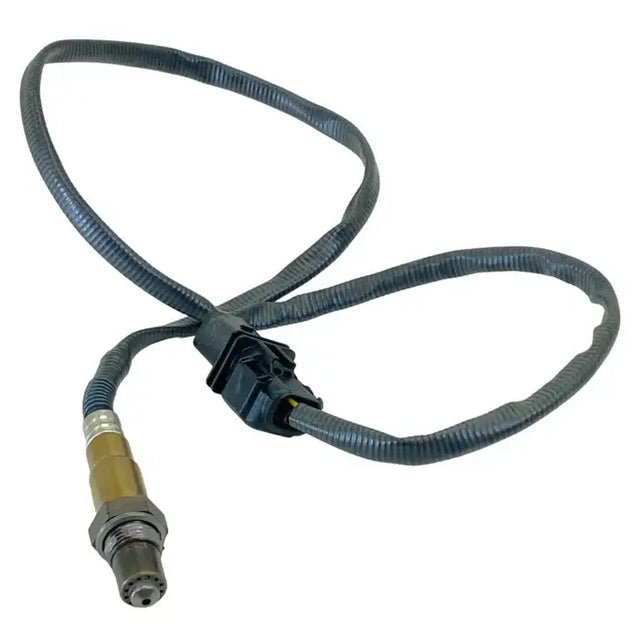
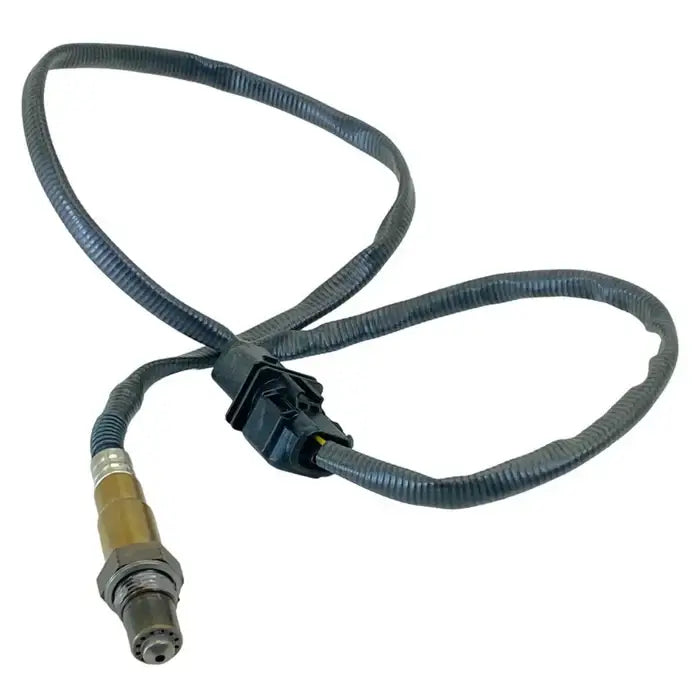
0 281 004 184 Genuine Bosch Oxygen Sensor Lamba
0 281 004 184 Genuine Bosch Oxygen Sensor Lamba is backordered and will ship as soon as it is back in stock.
365-day / 100,000-mile limited warranty on U.S. orders. Return conditions apply. Mandatory legal rights remain unaffected.
Couldn't load pickup availability
Need a quote?
Need a quote?
Need help with fitment or a quote? Include your part number and vehicle details.
A Genuine Paccar® Oxygen Sensor (Lambda Sensor) 0 281 004 184 is an electronic device in a vehicle’s exhaust system that measures the amount of oxygen in the exhaust gases. Its main job is to help the engine run efficiently and reduce harmful emissions. Related Part Numbers: 1791013pe, 1791013
General Specifications
| Condition | New |
|---|---|
| Part Number | 0 281 004 184 |
| Brand | Genuine Paccar® |
Purpose & Function
1. Monitors Air-Fuel Mixture
-
Detects how much oxygen is in the exhaust
-
Tells the engine control module (ECM) whether the engine is running rich or lean
2. Helps Control Fuel Injection
-
ECM adjusts fuel delivery to achieve the ideal air-fuel ratio for combustion
-
Improves fuel efficiency and performance
3. Reduces Emissions
-
Keeps emissions of CO, NOx, and unburned hydrocarbons low
-
Works with catalytic converters to meet emissions standards
4. Supports Engine Diagnostics
-
If the sensor reads outside normal parameters, it triggers the Check Engine Light
-
Stores trouble codes for mechanics to identify fuel/air issues
Signs of Bad Oxygen Sensor Lamba
1. Check Engine Light (CEL) Comes On
-
Most common and first indicator
-
ECM stores O2 sensor-related trouble codes (P0130-P0167, depending on sensor location)
2. Poor Fuel Economy
-
Engine may run too rich or too lean
-
Causes higher fuel consumption than normal
3. Rough Engine Idle or Misfires
-
Hesitation or stumbling during idle or acceleration
-
Can cause engine misfires if air-fuel mixture is not properly balanced
4. Failed Emissions Test
-
High emissions of CO, NOx, or unburned hydrocarbons
-
Catalytic converter may overwork or get damaged
5. Black Smoke from Exhaust
-
Rich air-fuel mixture can cause black smoke from the tailpipe
-
Unburned fuel exits through the exhaust
6. Engine Hesitation or Surging
-
Vehicle may hesitate during acceleration or surge unpredictably
-
Caused by improper fuel adjustments from a bad sensor
7. Rotten Egg Smell
-
A failing oxygen sensor can cause the catalytic converter to malfunction, producing a sulfur smell
8. Engine Performance Issues
-
Loss of power, rough running, or stalling
-
ECM cannot accurately control fuel injection without proper O2 readings
Bosch Parts
View all-
Sold out
Bosch
0445120018 | Genuine Bosch® Fuel Injector For 2003-04 Dodge Ram 5.9L
Regular price $45900Unit price /Unavailable -
-
Bosch
0-444-042-27E | Genuine Bosch® Diesel Exhaust Fluid Pump 2.2 12V, 5 Outlet
In stock (5 units)Regular price $84500Unit price /Unavailable -
-
Bosch
0-444-042-003 | Genuine Bosch® Doser Fluid Supply Module 2.2 12V, 3 Outlet
In stock (3 units)Regular price $63900Unit price /Unavailable -
-
Bosch
0-444-042-178 | Genuine Bosch® Doser Fluid Supply Module 2.2 12V, 3 Outlet
In stock (4 units)Regular price $63900Unit price /Unavailable -
-
Bosch
0-986-44D-203 | Genuine Bosch® Doser Fluid Supply Module 2.2 12V, 3 Outlet
Very low stock (1 unit)Regular price $63900Unit price /Unavailable -
-
Bosch
0 281 021 009 | Genuine Bosch® ECU Module A26 EPA20 Engine
In stock (3 units)Regular price $48500Unit price /Unavailable -
-
Sold out
Bosch
7101853C2 | Genuine Bosch® ECU Module A26 EPA20 Engine
Regular price $48500Unit price /Unavailable -
-
Bosch
0986435503RX | Genuine Bosch® Fuel Injector For 2003-04 Dodge Ram 5.9L
Very low stock (1 unit)Regular price $45900Unit price /Unavailable -