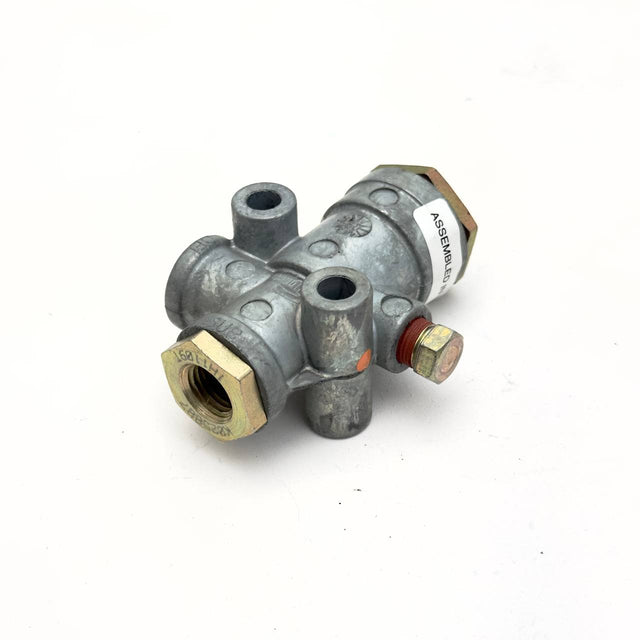
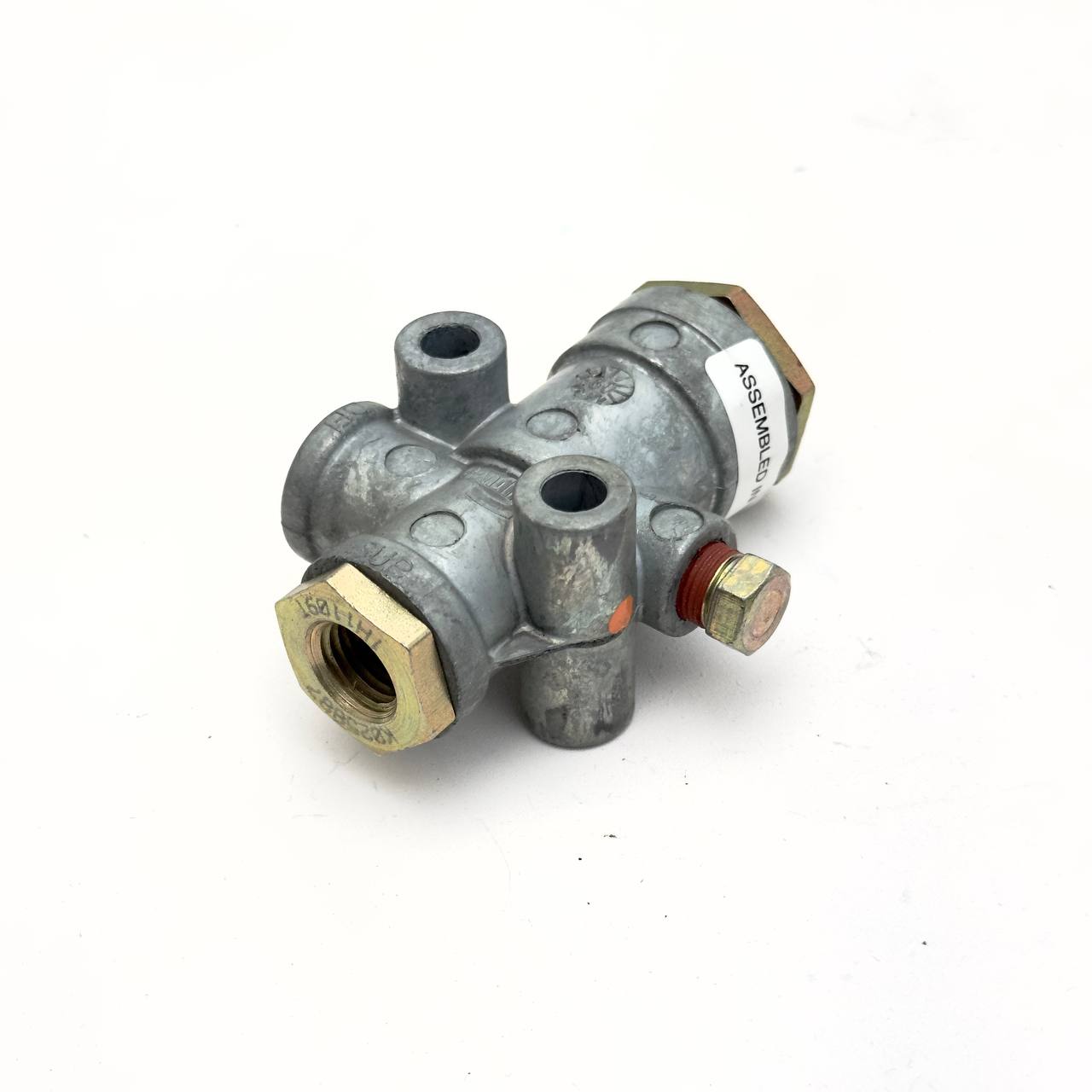
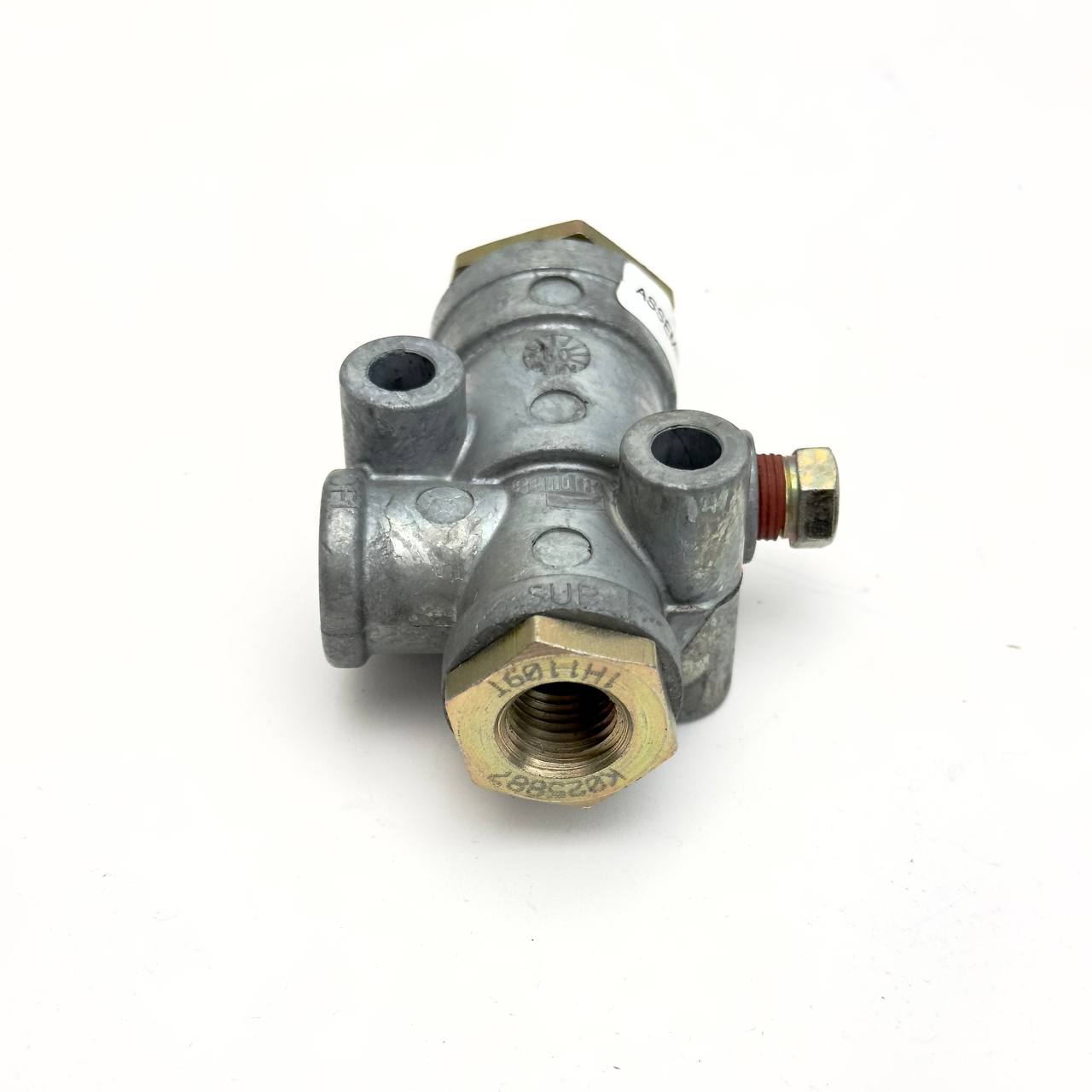
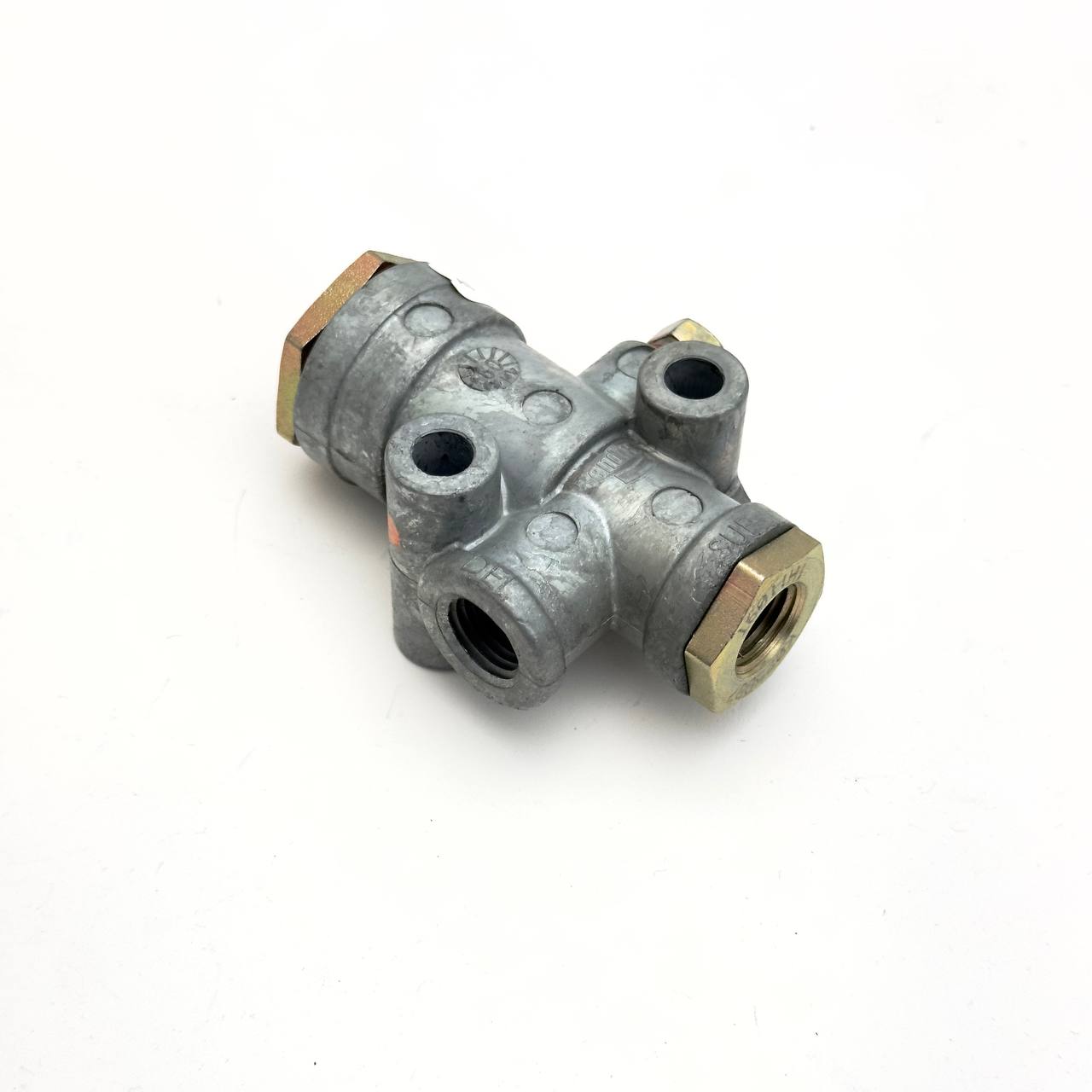
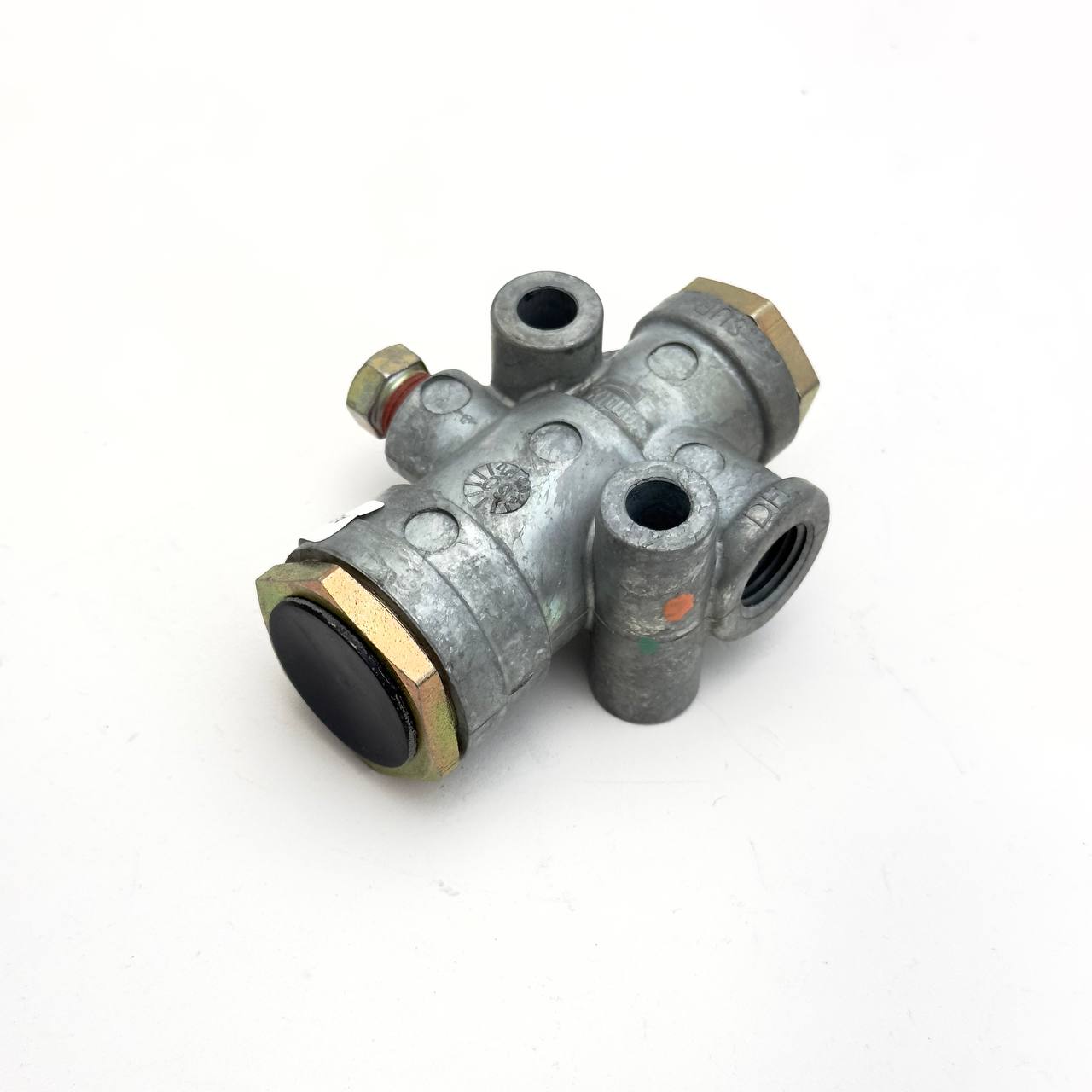
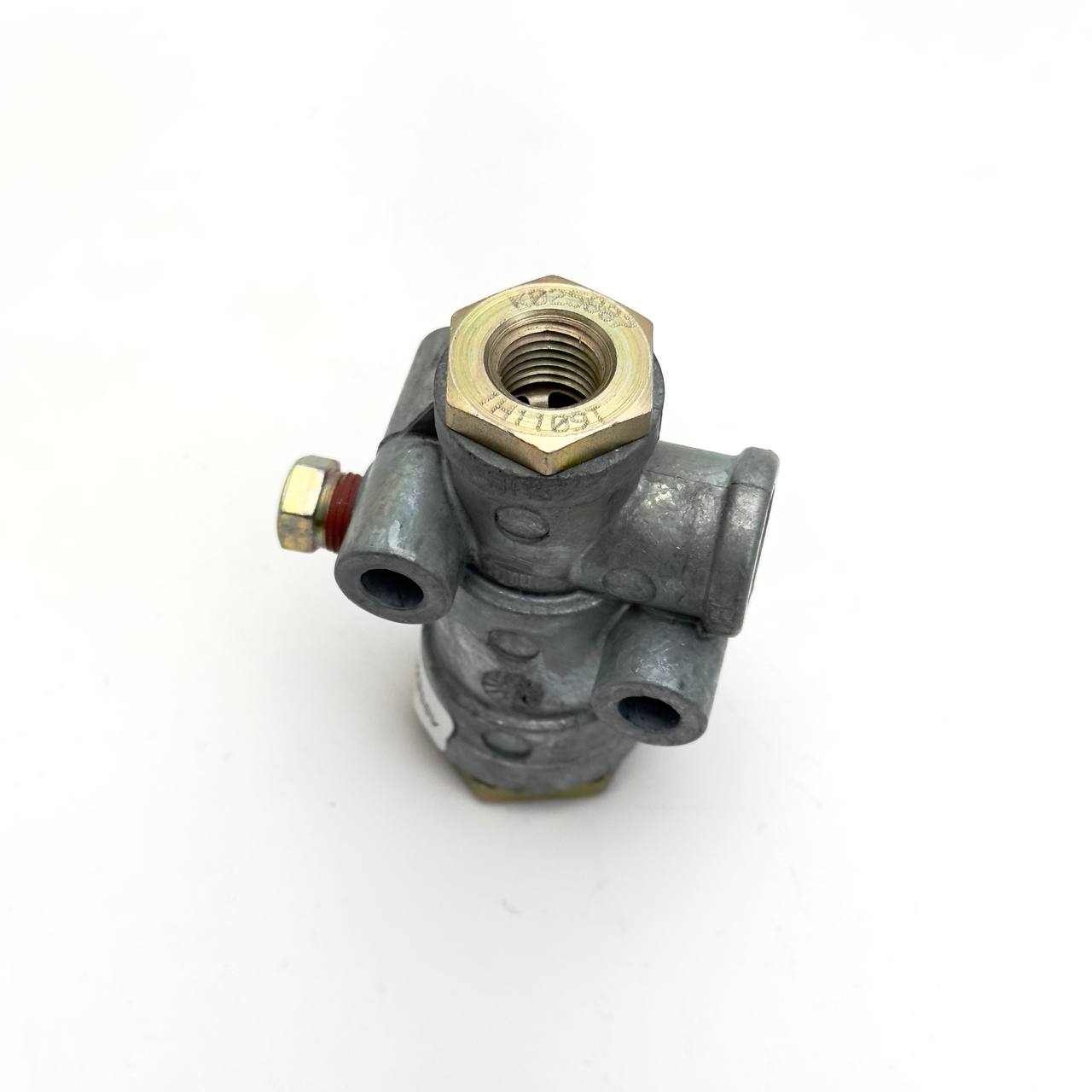
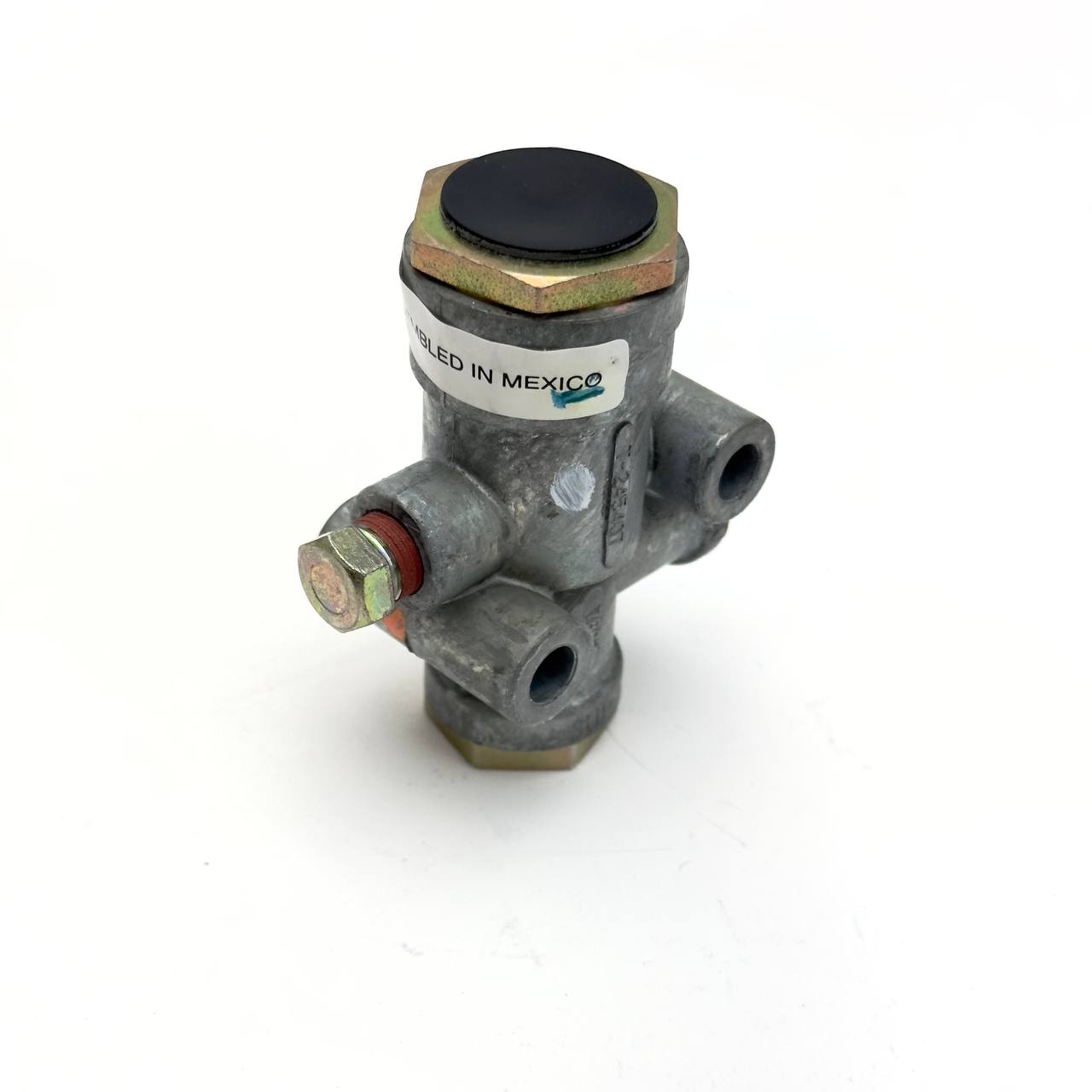
21243502 | Genuine Volvo RV-3 Pressure Reducing Valve
21243502 | Genuine Volvo RV-3 Pressure Reducing Valve is backordered and will ship as soon as it is back in stock.
365-day / 100,000-mile limited warranty on U.S. orders. Return conditions apply. Mandatory legal rights remain unaffected.
Couldn't load pickup availability
Need a quote?
Need a quote?
Need help with fitment or a quote? Include your part number and vehicle details.
A pressure reducing valve (PRV) 21243502 is a type of control valve that automatically reduces and maintains downstream pressure at a set level, regardless of fluctuations in upstream (supply) pressure.
General Specifications
| Condition | New |
|---|---|
| Part Number | 21243502 |
| Brand | Volvo |
Fitment
VN (2006-2009)
VNL (2007-2018)
VNM (2007-2018)
9700 (2009-2017)
VAH (2011-2017)
VHD (2007-2017)
Engine: D13A 360, L6 779 12.8L, D13, 6 780 12.8L
Specifications For 21243502
| Characteristic | Value / Notes |
|---|---|
| Mounting flange holes | Two holes, Ø 0.28 in spacing (for mounting) |
| Supply port | 1/4‑18 NPT |
| Delivery (outlet) port | 1/4‑18 NPT |
| Control port | 1/8‑27 NPT (often plugged) |
| Exhaust / vent port | Has a dust shield (exhaust) |
| Delivery pressure (preset) | 35‑39 PSI (~2.4‑2.7 bar) in one listing |
| Operating temperature range | −40 °F to 200 °F (i.e. –40 °C to ~93 °C) |
Purpose of using 21243502
| Maintain Safe Pressure | It ensures downstream components receive air, fluid, or gas at a safe and consistent pressure, preventing damage from excessive pressure. |
|---|---|
| Protect Equipment | Prevents sensitive equipment (like brakes, suspension, or hydraulic systems) from being exposed to pressure levels that could cause leaks, failures, or wear. |
| Optimize System Performance | Helps maintain stable operation by keeping pressure steady, even if upstream pressure fluctuates. |
| Improve Safety | Avoids sudden pressure spikes that could cause accidents or system malfunctions. |
| Energy Efficiency | Reduces unnecessary high pressure, potentially saving energy or reducing wear on compressors and pumps. |
Signs of a Bad Pressure Reducing Valve
-
Inconsistent or Unstable Downstream Pressure
-
Pressure fluctuates wildly instead of staying steady.
-
-
Pressure Too High or Too Low
-
Downstream pressure doesn’t stay at the preset value; it might be too high (risking damage) or too low (causing poor performance).
-
-
No Pressure Reduction
-
Downstream pressure matches upstream pressure, indicating the valve is stuck open or failed.
-
-
Leaks
-
Audible air or fluid leaks near the valve, or visible fluid dripping.
-
-
Delayed or Slow Response
-
The valve doesn’t adjust pressure quickly when system conditions change.
-
-
Excessive Noise
-
Whistling, chattering, or banging sounds coming from the valve.
-
-
System Malfunctions
-
Related components (like brakes or suspension) malfunction or don’t operate properly.
-
-
Physical Damage or Corrosion
-
Visible damage, corrosion, or wear on the valve body or seals.
-
-
Check Engine or Warning Lights
-
In vehicles, diagnostic systems may alert you if the valve isn’t regulating pressure correctly.
-
About Bendix
Bendix is a leading manufacturer of air brake systems, safety technologies, and control components for commercial trucks, buses, and trailers. Known for innovations in braking, stability, and traction control, Bendix supplies OEM and aftermarket parts across North America. It is a subsidiary of Knorr-Bremse, a global leader in braking systems.
Bosch Parts
View all-
Bosch
0-444-042-27E | Genuine Bosch® Diesel Exhaust Fluid Pump 2.2 12V, 5 Outlet
In stock (5 units)Regular price $84500Unit price /Unavailable -
-
Bosch
0-444-042-003 | Genuine Bosch® Doser Fluid Supply Module 2.2 12V, 3 Outlet
In stock (3 units)Regular price $63900Unit price /Unavailable -
-
Bosch
0-444-042-178 | Genuine Bosch® Doser Fluid Supply Module 2.2 12V, 3 Outlet
In stock (4 units)Regular price $63900Unit price /Unavailable -
-
Bosch
0-986-44D-203 | Genuine Bosch® Doser Fluid Supply Module 2.2 12V, 3 Outlet
Very low stock (1 unit)Regular price $63900Unit price /Unavailable -
-
Bosch
0 281 021 009 | Genuine Bosch® ECU Module A26 EPA20 Engine
In stock (3 units)Regular price $48500Unit price /Unavailable -
-
Bosch
0986435503RX | Genuine Bosch® Fuel Injector For 2003-04 Dodge Ram 5.9L
Very low stock (1 unit)Regular price $45900Unit price /Unavailable -
-
Bosch
0986435503 | Genuine Bosch® Fuel Injector For 2003-04 Dodge Ram 5.9L
Very low stock (1 unit)Regular price $45900Unit price /Unavailable -
-
Bosch
0445120210 | Genuine Bosch® Fuel Injector For 2003-04 Dodge Ram 5.9L
Very low stock (1 unit)Regular price $45900Unit price /Unavailable -